

Description
What is a Gaiwan
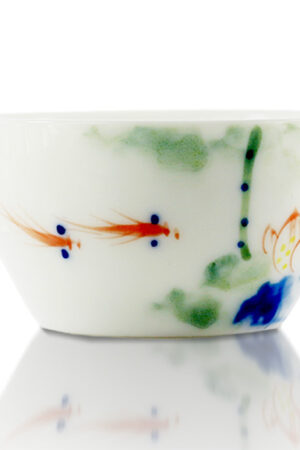
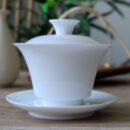
A gaiwan is a traditional Chinese tea vessel consisting of three parts: a bowl, a lid and a saucer. It is designed for both brewing and drinking tea. The bowl holds the tea leaves and water, the lid helps to control the brewing and strain the tea, and the saucer allows you to handle the gaiwan without burning your hands. This versatile teaware is generally used for steeping delicate loose leaf teas such as green, white and oolong.
The three parts of the gaiwan represent heaven (天), earth (地) and humanity (人): the lid symbolises heaven, the saucer represents earth and the bowl represents humanity, reflecting the harmony of tea-making.
Raising the Lid: Grip the sides of the lid’s knob with your thumb and middle finger. Rest your index finger on top for stability. Avoid touching the surface of the lid to prevent burns.
Adding Hot Water: Place tea leaves in the gaiwan before pouring water. Pour hot water in a circular motion around the edges to distribute heat evenly. Avoid overpouring to prevent the edges from becoming too hot.
Drinking: Drink directly from the gaiwan or pour the tea into a fairness pitcher before serving. If drinking from the gaiwan: Hold the saucer to avoid touching the hot cup. Tilt the lid slightly to create a small opening for sipping.
Pouring Tea: Tilt the lid slightly to allow tea to flow while keeping the leaves inside. Hold the gaiwan with your middle finger and thumb while pressing the lid knob with your index finger. Avoid tilting the gaiwan more than 90 degrees to prevent spills and burns.
The Past and Present of the Gaiwan
The origins of the gaiwan date back to the Ming Dynasty (1368-1644), a time when tea preparation techniques were evolving. During this time, loose-leaf tea was gaining popularity and the gaiwan became a favoured tool for its ability to enhance the flavour and aroma of tea. Unlike earlier methods that used powdered tea, the gaiwan allowed tea drinkers to appreciate the full leaves as they unfolded in water, offering a richer sensory experience. Its use spread throughout China ever since, becoming part of the country’s tea culture.
Today, the gaiwan remains a key part of traditional gongfu tea ceremonies, where the preparation and enjoyment of tea is performed with precision and mindfulness. It’s also widely used by tea lovers around the world who appreciate its ability to brew tea with great control, allowing multiple infusions from the same leaves. The gaiwan has stood the test of time and continues to be a practical tool in modern tea culture.